
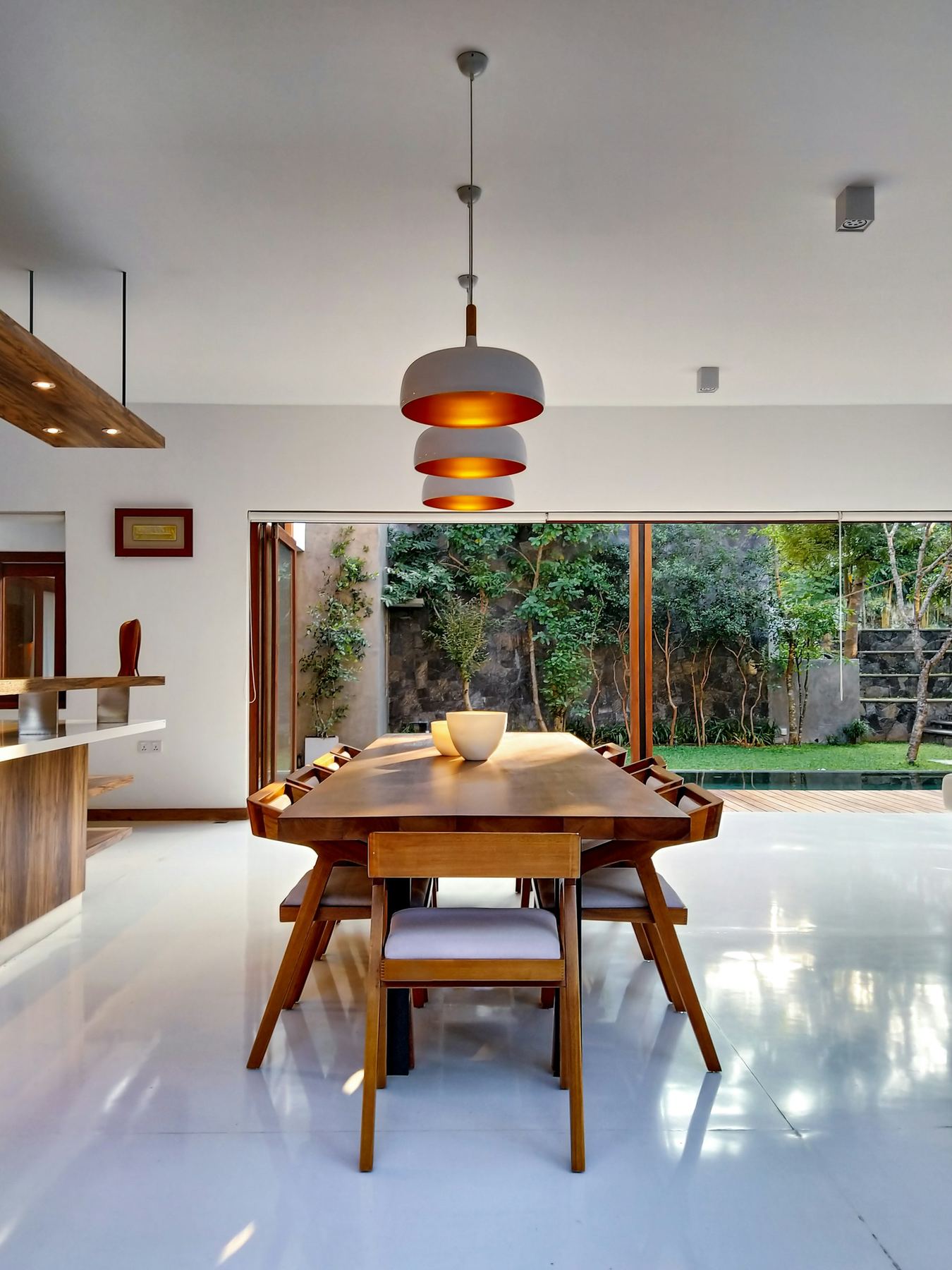
Walk into a room that feels instantly warm and you will usually find the same three things doing the work: a bit of old wood, a gleam of brass and something made of clay. None of them needs to be expensive, and none of them needs to match. What they share is that they age, and in a British house, where the light is soft and the evenings are long, that slow, honest ageing is exactly what makes a room feel lived in.
I spend a lot of time rescuing furniture and fittings, so this is less a mood board and more a practical guide: what to look for, how to mix it, and how to care for it without turning into a full-time polisher.
Wood: the backbone of the room
Most British homes already have more wood than they think: floorboards under the carpet, a pine door that was dip-stripped in the 1980s, a dining table inherited from somebody's aunt. The trick is to work with what you have rather than buying a whole matching set.
Oak is the classic, honey-coloured when new and mellowing with age. Pine is everywhere in older houses and was often meant to be painted, which is why stripped Victorian pine can look a bit orange; a coat of hard wax oil with a touch of white can calm it down. Elm turns up in old country chairs, often as the seat of a Windsor chair, and has a lovely wild grain. Walnut and teak bring a mid-century richness, and are easy to find secondhand.
Mixing woods without it looking accidental
You do not need everything to match, but it helps to choose one dominant wood, usually the floor or the biggest piece of furniture, and let the others play supporting roles. Either keep their undertones in the same family (warm with warm, cool with cool) or go for a clear contrast, such as pale oak against dark walnut. What jars is two woods that are almost but not quite the same. And repeat each wood at least twice in a room: a walnut sideboard looks deliberate if there is also a walnut picture frame across the room.
For care, a good hard wax oil or a traditional beeswax polish once or twice a year is plenty. Keep good pieces away from radiators, which dry and crack timber faster than anything. If you have found something tired at a car boot sale, our furniture restoration guide walks through cleaning, repairs and refinishing.
Natural materials are almost the only things in a house that get better with use. Everything else just gets tired.
Brass: the warm metal
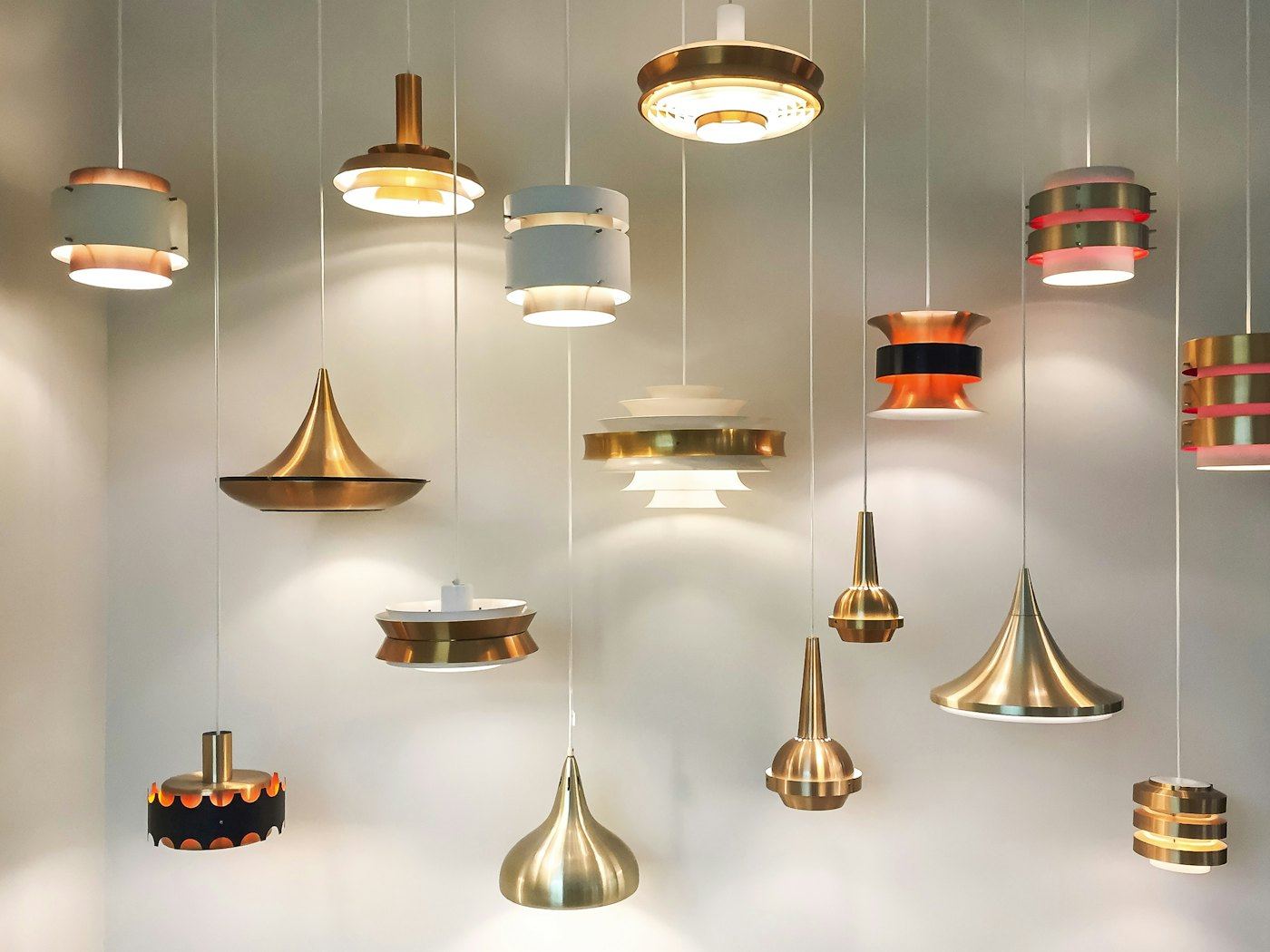
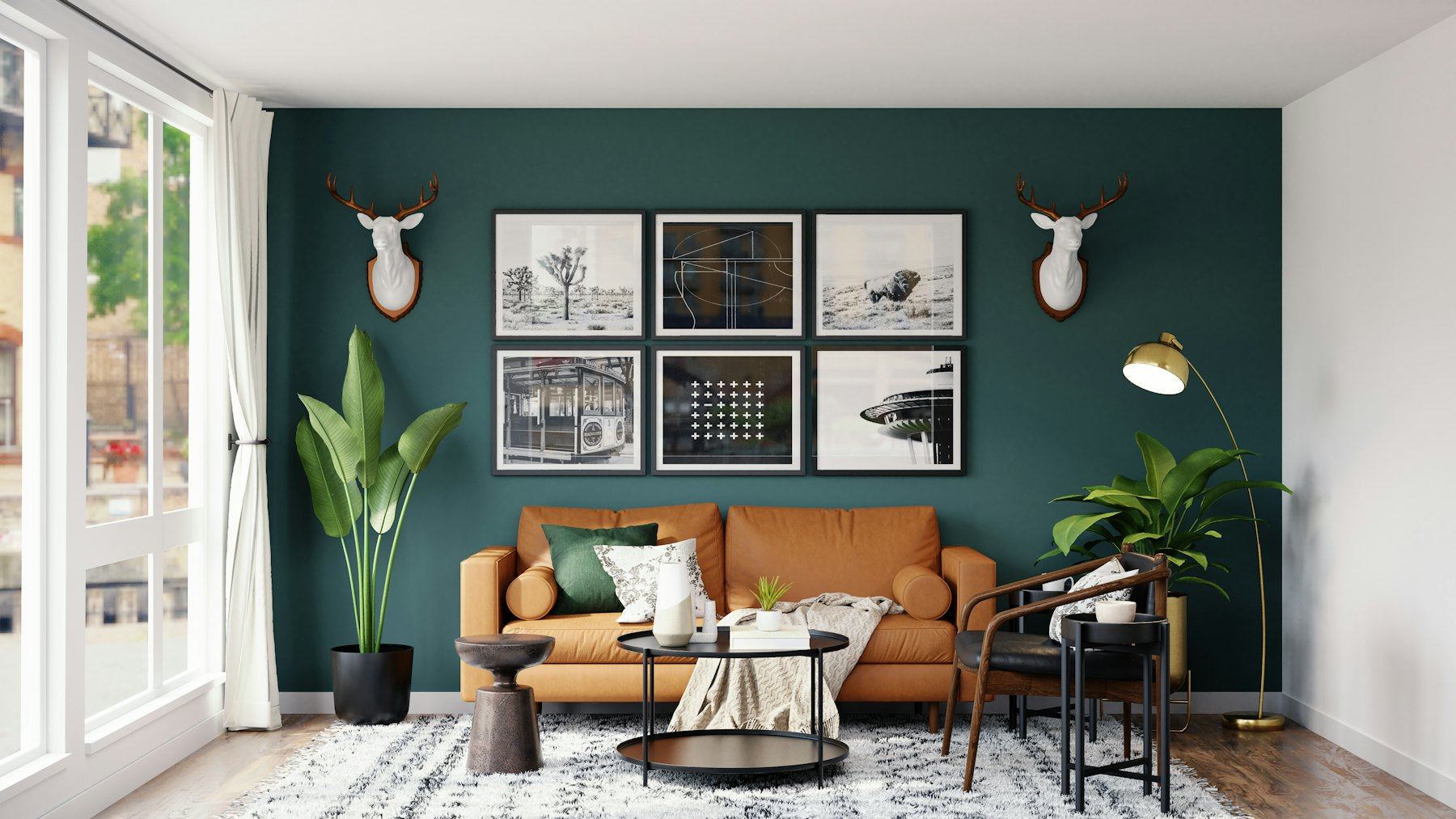
Chrome looks crisp in a showroom, but in grey northern light it can feel a little cold. Brass, by contrast, glows. It works on door handles, light switches, picture lights, curtain poles and lamps, and it is particularly good against dark paint, which is why it turns up so often next to deep greens and inky blues. If you are painting a room dark, our British paint palette guide has some colours that brass loves.
Lacquered or unlacquered?
This is the question that matters most. Lacquered brass has a clear protective coat and stays bright for years; clean it only with a soft, damp cloth, because metal polish will strip the lacquer and leave it patchy. Unlacquered brass, sometimes sold as a living finish, darkens over time to a soft, mellow brown, and is brightest where hands touch it most. You can polish it back up, but many people, me included, end up preferring it dull.
Copper behaves in much the same way, darkening towards a deep brown with the odd blush of pink. A mix of brass and copper is fine, as the pendants above show; just keep the shapes simple so the warmth, not the fussiness, does the talking.
Ceramics: clay in every room
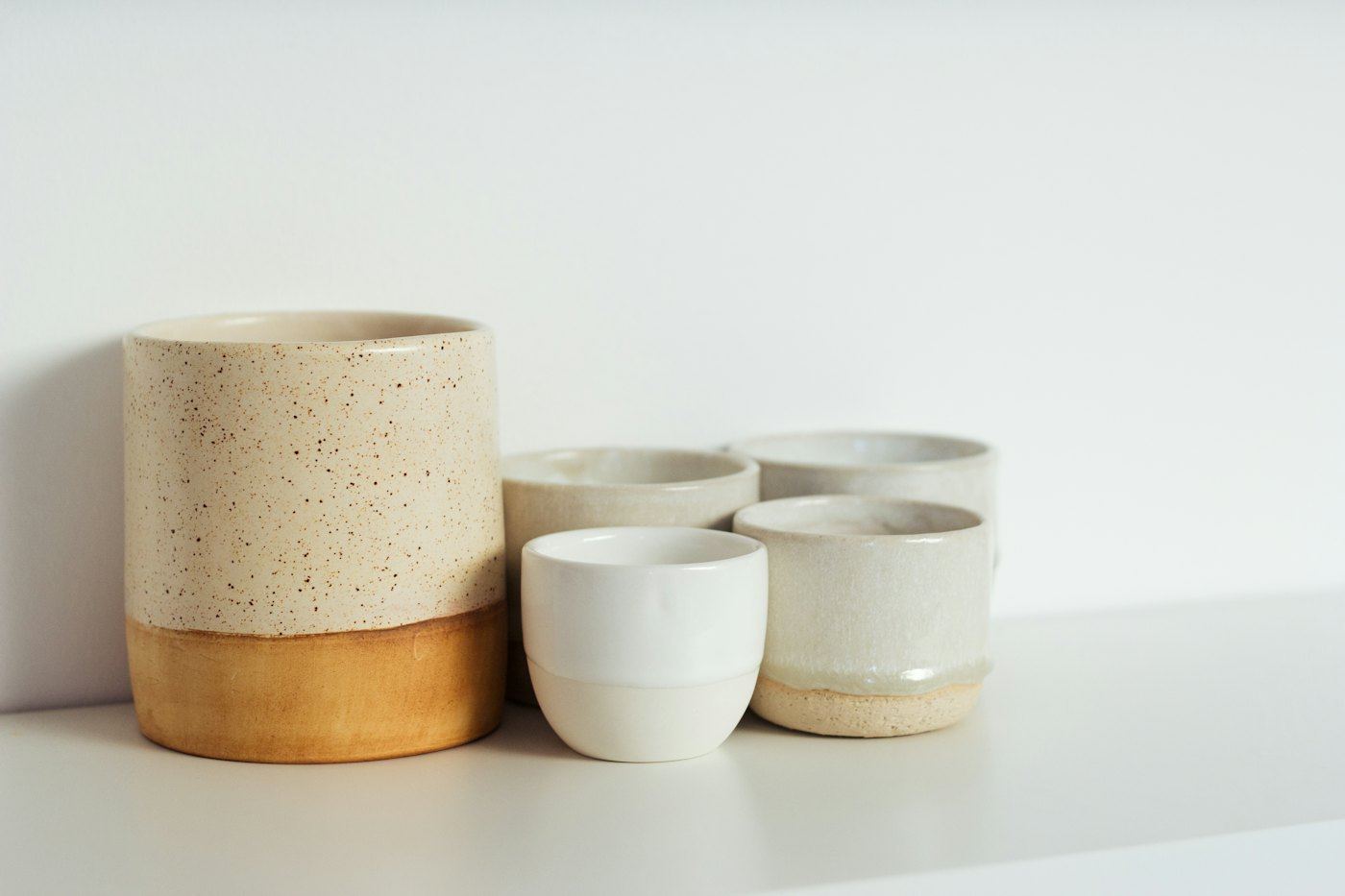
Britain has a long and proud pottery tradition; the six towns of Stoke-on-Trent are still known simply as the Potteries. You do not need to collect anything grand to benefit from it. A shelf of everyday mugs, a big stoneware bowl for fruit, a jug of garden flowers on the windowsill: clay brings an earthiness that very little else can.
It helps to know what you are buying. Earthenware is fired at a lower temperature, is more porous and chips more easily, but often has the brightest glazes. Stoneware is fired hotter, is dense and tough, and frequently has that lovely speckled finish. Porcelain is fine, white and surprisingly strong. For daily use, stoneware is hard to beat.
One word of warning about gold or lustre details like the dipped cup in the picture: metallic glazes and microwaves do not mix, and most are happier washed by hand.
Display matters too. Open shelves in the kitchen, a dresser in the dining room, or a few pieces grouped on a mantelpiece all work, as long as they are things you actually use. Pottery that never leaves the shelf starts to look like a museum; a stack of slightly mismatched mugs by the kettle looks like home.
Putting them together
The magic happens when the three materials meet. A wooden table, a brass lamp and a stoneware vase on top of it is about the simplest recipe for a warm corner I know. The textures balance each other: wood is soft and grainy, brass is smooth and reflective, clay is matt and a little rough.
- Aim for one of each in every room: something wooden, something metal, something ceramic.
- Let at least one piece be old, worn or secondhand; brand-new everything looks like a catalogue.
- Keep metals warm in rooms that face north; save chrome and steel for bright, south-facing spaces.
- Use matt and shiny side by side so each makes the other look better.
- Do not over-polish. A bit of patina is the whole point.
None of this is about buying a new look. It is about letting real materials age alongside you, collecting the odd scratch and fingerprint, and becoming, slowly, part of the house.
Thank you for the bit about unlacquered brass. I spent an entire weekend polishing our new door handles before realising I actually liked them better when they were darker.
Rowan here: you are in very good company! Most people come round to the patina in the end, and it saves a great deal of elbow grease.