
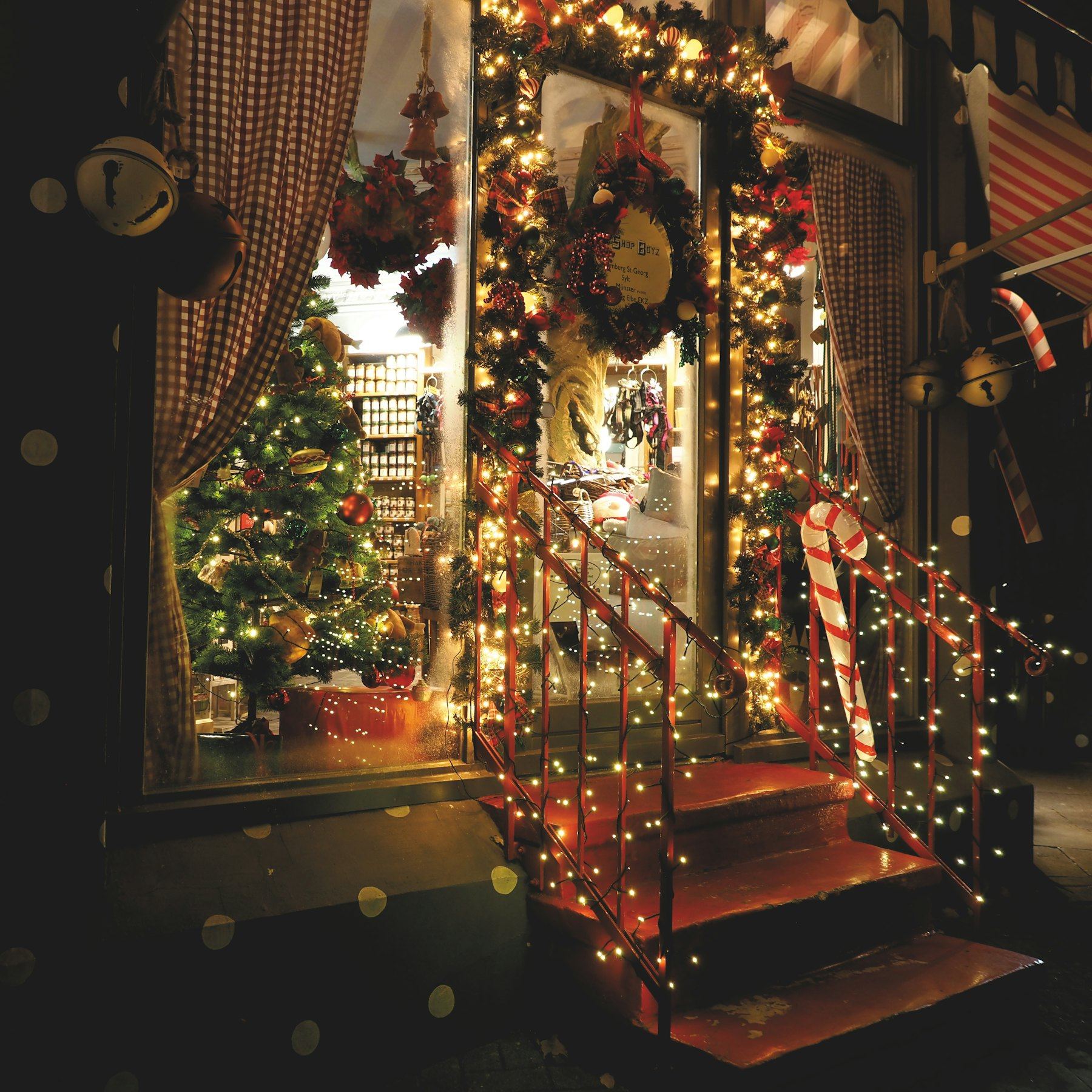
It's the end of October, the clocks have just gone back, and I'm aware that mentioning Christmas now risks a groan. But hear me out. The most beautiful festive homes I know aren't the ones that bought everything in one frantic December weekend. They're the ones where someone started early and gently: drying orange slices on a wet Saturday in November, saving ribbon, noticing which neighbour's holly is heavy with berries. This is my plan for a calmer, more handmade season, starting now.
November: gather, dry and plan
Begin with what you already have. Get the decorations box down from the loft before the rush, test every string of lights, and be honest about what you actually used last year. Anything broken or unloved can go; anything you'd like more of goes on a short list.
Then start collecting. Pine cones from autumn walks, seed heads from the garden, orange slices dried slowly in a low oven, cinnamon sticks, a roll of brown paper and some good ribbon. None of it costs much, all of it keeps, and it means December is about putting things together rather than hunting for them.
Stir-up Sunday, the last Sunday before Advent, falls on 22 November this year. It's the traditional day to make the Christmas pudding, with everyone in the house taking a turn to stir and make a wish. Even if you don't eat pudding, it's a lovely marker in the calendar: the day the season properly begins in our house, and the day I make the first jar of mincemeat for mince pies.

The front-door wreath
A wreath on the front door is one of those small British traditions that makes a whole street feel festive. Making your own is easier than it looks, and far more personal than anything bought.
You'll need a wire wreath ring, a bag of sphagnum moss, reel wire and an armful of foliage. Pack the moss tightly around the ring and bind it with wire, then build up bunches of greenery, each wired into a small bundle and laid in the same direction so it hides the stems of the one before. Mix spruce or fir for structure with eucalyptus, ivy, rosemary or bay for softness and scent, then add dried oranges, cones and berries at the end.
Forage thoughtfully. Take cuttings from your own garden, or ask friends and neighbours, and never strip a hedgerow bare; birds rely on those berries through the winter. Florists and many garden centres sell bundles of seasonal greenery from mid-November if your garden is more patio than shrubbery.
Garlands for the stairs and mantel
A garland wound down the banister is pure Christmas card, and it's really just a long version of the wreath. Use a length of sturdy rope as the base and wire bundles of greenery along it, then tie it to the spindles with ribbon or soft garden twine rather than anything that might mark the paintwork. Real foliage on a staircase drops needles and dries quickly in a warm hall, so either make it late, around mid-December, or choose a good artificial garland and dress it with fresh sprigs of eucalyptus and dried orange.
The mantelpiece is where I let myself go a little. Layer greenery along the shelf, add a few old ornaments, and give one end some height with a tall jug of branches. If you're lucky enough to have a working fireplace, our guide to the fireside hearth corner has plenty of ideas, but keep greenery and anything else flammable well away from the opening, and never leave a fire unattended.
The tree

Real or artificial is a family argument I won't attempt to settle here. If you go real, choose a freshly cut tree, saw a thin slice off the base when you get it home, and stand it in water straight away. A stand with a generous reservoir is worth every penny, because a fresh tree is surprisingly thirsty in its first week. Keep it well away from radiators, open fires and log burners, and top up the water daily. Most traditionalists bring theirs in a week or two before Christmas, which keeps it looking fresh until Twelfth Night.
For decorating, I like a limited palette. Red and green with natural wood and brass; silver, white and glass; or a jumble of inherited baubles that tell the family story. All work, as long as you choose deliberately. Start with the lights, then the largest ornaments, then fill the gaps with smaller pieces, working from the trunk outwards so the tree glows from within.
I will honour Christmas in my heart, and try to keep it all the year.
Charles Dickens, A Christmas Carol
Lights, candles and keeping it safe
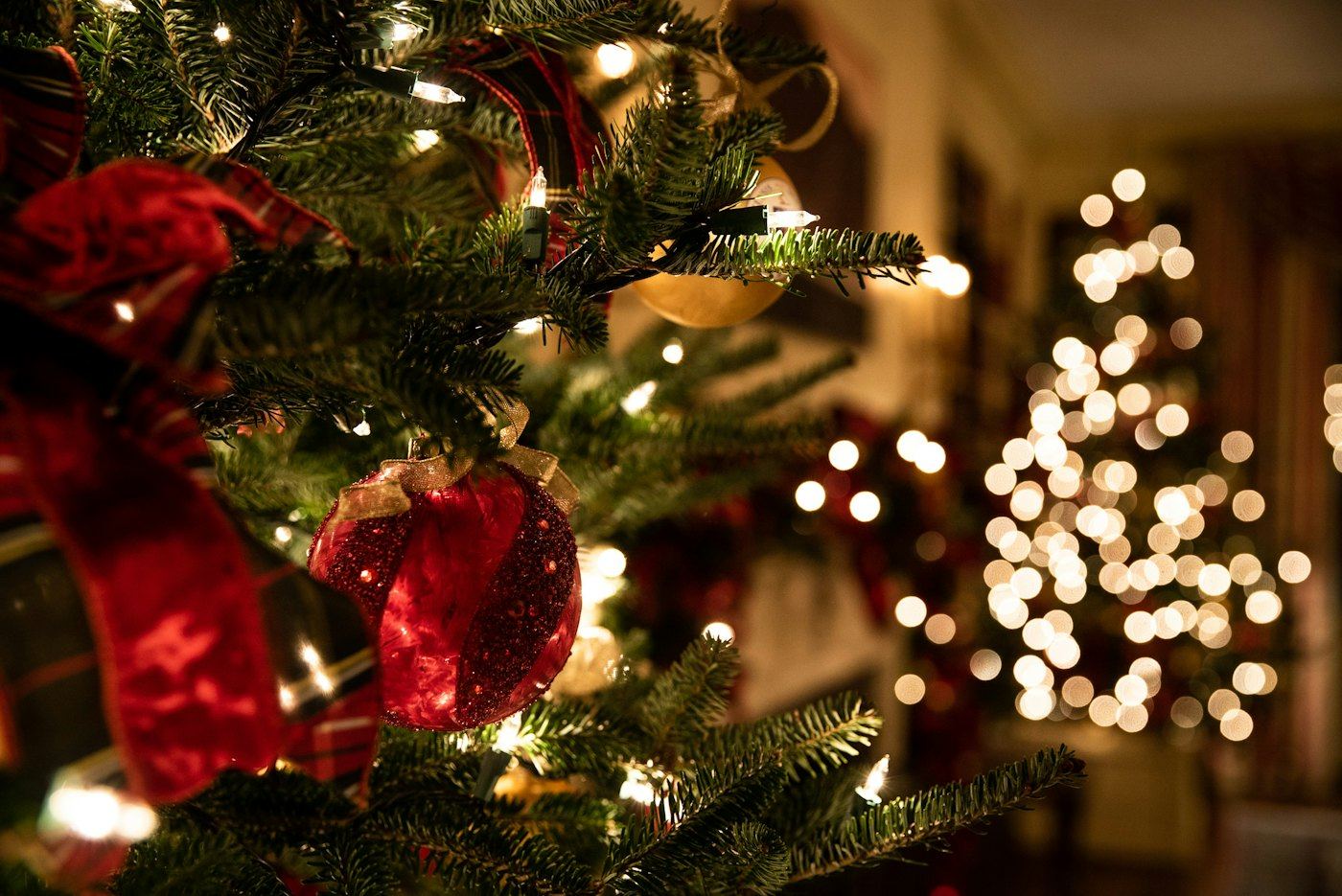
Fairy lights and candles are what make a British winter bearable, but they deserve respect. Before you put anything up, check every set of lights for damaged cables, loose bulbs and cracked plugs, and throw away anything that looks tired. Buy new sets from reputable retailers, look for the UKCA or CE mark, and choose LED lights, which run much cooler than old filament bulbs. Don't overload sockets or plug extension leads into one another, and switch everything off at the wall when you go to bed or leave the house. Battery lights are handy for wreaths and garlands, but keep spare button batteries well out of reach of small children.
With candles, use stable holders on heat-resistant surfaces, keep them well clear of greenery, curtains, cards and anything else that burns, and never leave them unattended. If you love the look of candles in a garland, LED pillar candles are now convincing enough that nobody will notice the difference.
After the twelve days
Tradition says decorations come down on Twelfth Night, though households have argued for generations about whether that's the evening of 5 or 6 January. Whichever you follow, it's a good moment to compost the greenery, save the ribbon, and wrap fragile ornaments properly so next year's unpacking is a pleasure. Then light a candle, make a pot of tea and enjoy a calm January without the clutter. Our guide to a cosy home in November and the home refresh calendar will carry you through the darker months.

Love the idea of starting in November. We usually go to a wreath-making workshop, but I'd like to try at home this year. How long does the moss base take?
Allow about an hour for the moss base the first time, and another hour or two for the foliage. It gets quicker every year, and it's a lovely job with the radio on and a mince pie to hand.
I'd gently disagree on Twelfth Night: in our family it has always been the 5th, and leaving things up a day longer is considered terribly bad luck!
You're in very good company. Plenty of households swear by the 5th and plenty by the 6th, so we're staying diplomatically on the fence.
Good reminder about button batteries. We have a toddler this year, so everything battery-powered is going on the top shelf.