
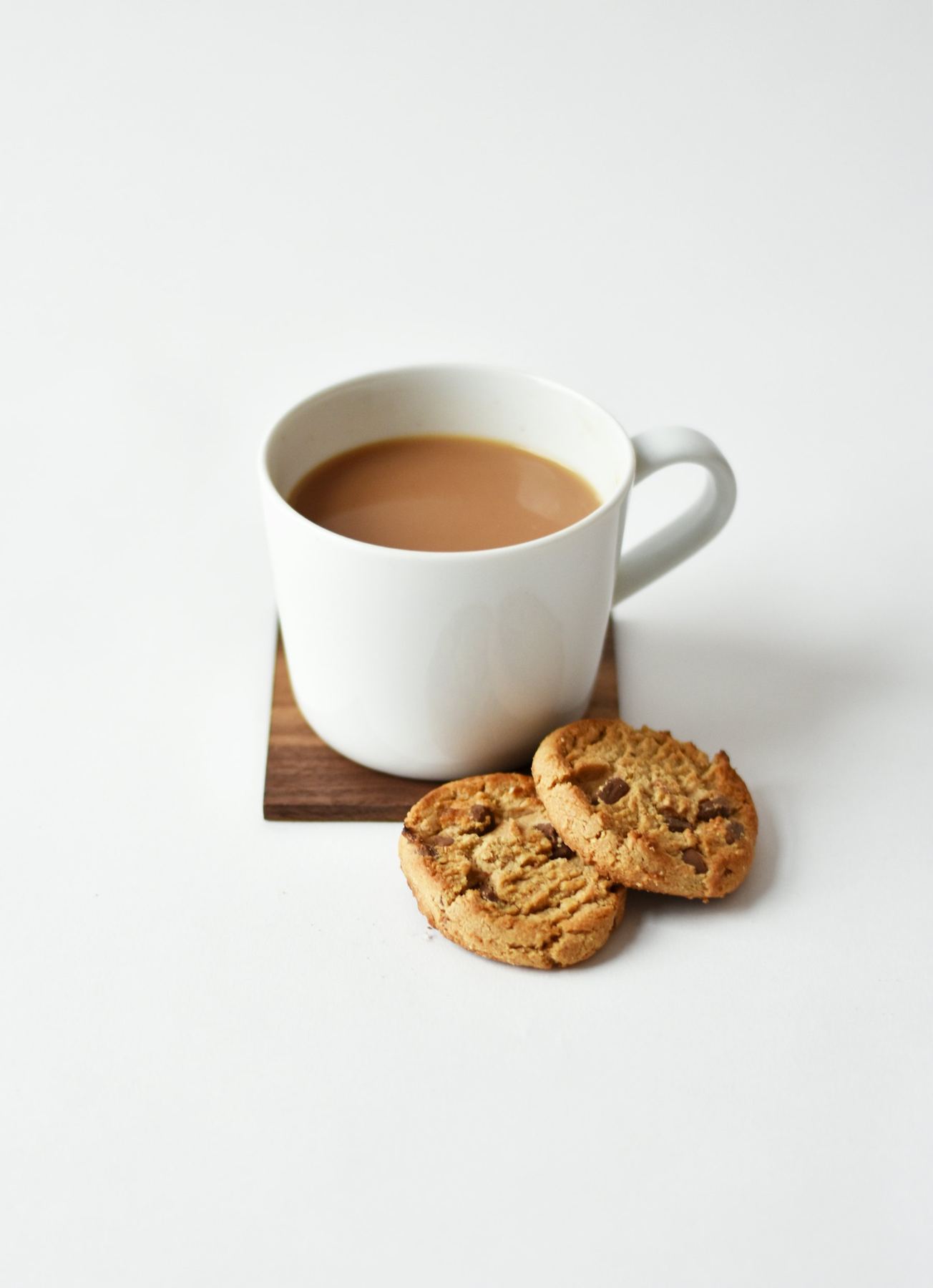
The Danes gave the world the word hygge, and for a few years it was everywhere: on candles, on mugs, on books with sheepskins on the cover. But I've always thought the British had been quietly doing it for centuries without bothering to name it. What else is a pot of tea, a plate of biscuits and a blanket on a wet afternoon?
This isn't a piece about buying a Scandinavian look. It's about the ordinary comforts that already belong to British homes, and how to give them a little more attention. August is a good month to start. The evenings are already drawing in, the weather is rarely as summery as we'd hoped, and there's something lovely about curling up by an open window as a shower passes over.
Hygge, the British way
Strip away the marketing and hygge is simply the feeling of being comfortable, safe and content, usually in good company or with a good book. It doesn't require a particular colour palette or a cabin in the woods. It's made of small, deliberate pleasures, which is why it translates so well to a terrace in Leeds or a flat above a shop in Bristol.
The British version, as I see it, has four ingredients: tea, throws, candlelight and a window to look out of. Most of us have all four already.
There is nothing like staying at home for real comfort.
Jane Austen, Emma
The tea ritual
A mug of tea made with a bag on the go is a fine thing, and I drink plenty of them. But once in a while, make it properly. Get the teapot out. Warm it with a splash of hot water first, tip that away, then add the leaves or bags and pour on freshly boiled water. Leave it to brew for a few minutes while you find a tray, a cup you love and a little jug for the milk.
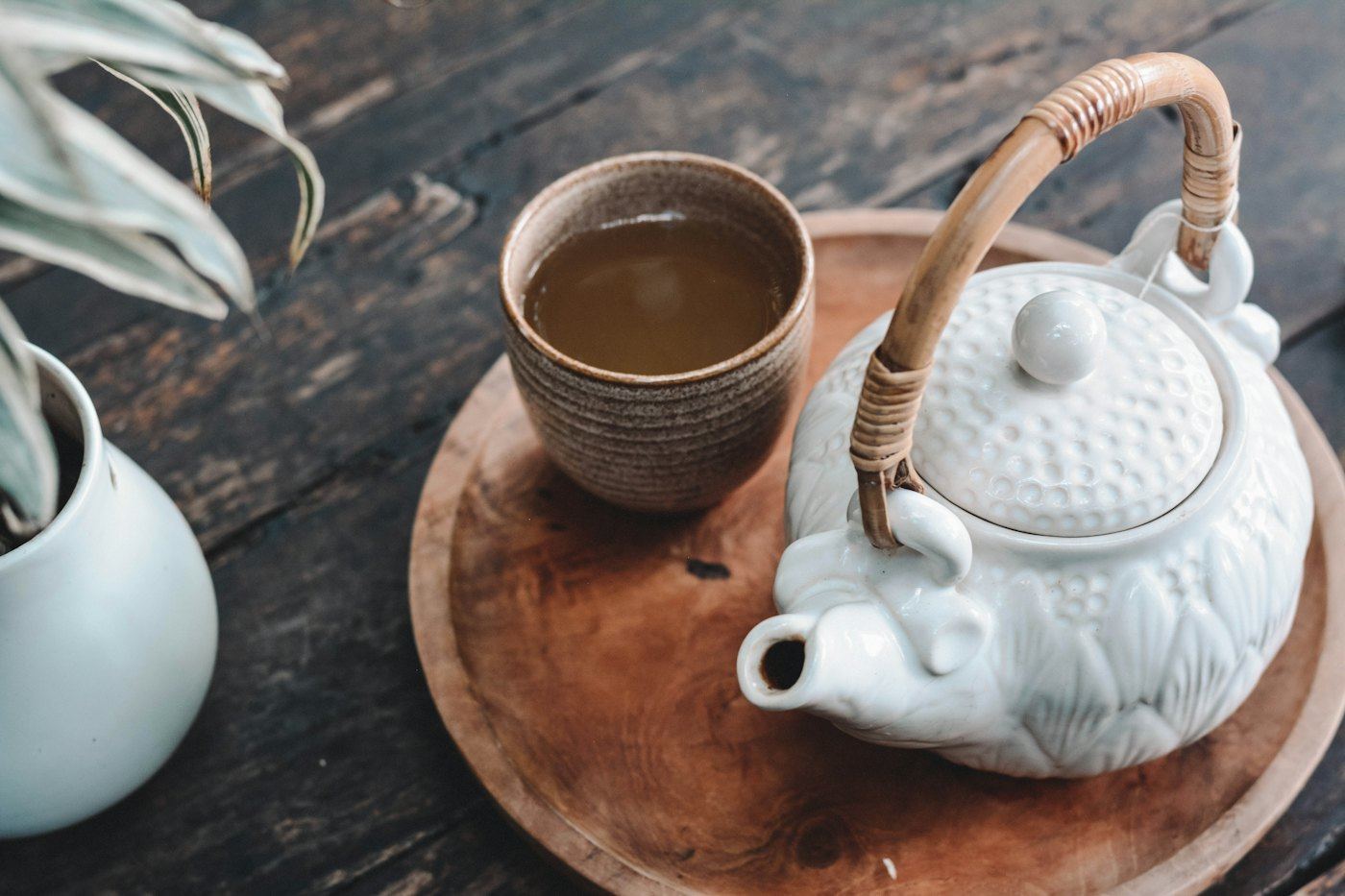
The point isn't fuss, it's pause. Those few minutes of brewing are a natural break in the day, and carrying a tray to the window feels very different from drinking standing up at the worktop. A wooden tray is the most underrated object in the house: it corrals the pot, the cup and the biscuits, and it gives you a reason to sit down.
As for biscuits, I won't enter the dunking debate here, except to say that a chocolate digestive held in hot tea for slightly too long is one of life's small tragedies.
Throws for every season
We tend to think of throws as a winter thing, but a light blanket is just as useful on a cool August evening, when it's too warm for the heating and too chilly to sit about in a T-shirt. The trick is to rotate them with the seasons:
- Late summer – cotton, linen or a waffle-weave blanket that's light enough to drape over your knees.
- Autumn – a lambswool or merino throw, warm but not heavy.
- Winter – chunky knits, heavier wool and that old tartan blanket from the car boot.
Keep them where you'll actually use them: folded over the arm of the sofa, in a basket by the armchair, at the end of the bed. A throw shut away in a cupboard does nothing for anyone. When winter comes, our guide to making your home cosy in November takes the layering further.
Candlelight, even in summer
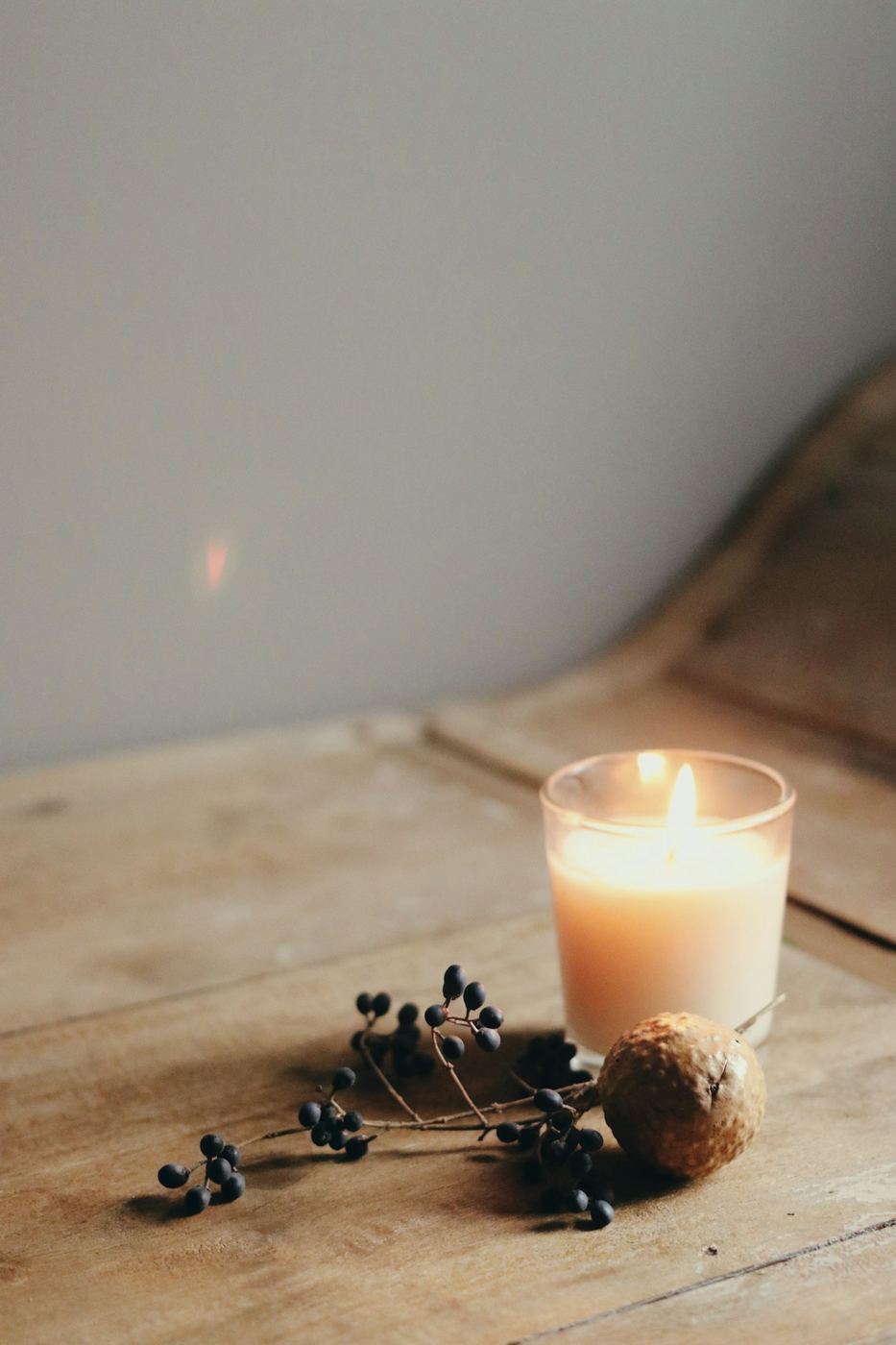
By the end of August the light is going noticeably earlier, and dusk is the perfect time for a single candle. You don't need dozens. One plain pillar candle on a wooden board or a saucer, lit as the room starts to dim, signals that the working day is over. Unscented is often best in summer, when the windows are open and the garden is doing the scent for you.
The usual rules apply: stand candles on a stable, heat-proof surface, keep them clear of curtains that might billow in a breeze through an open window, and blow them out before you leave the room or go to bed. A candle near an open window is lovely to look at but needs watching, so choose a spot out of the draught.
Evenings by the window
If there's one thing I'd encourage you to try, it's making a place to sit by a window. British weather is endlessly watchable, and there's a deep, particular contentment in being warm and dry indoors while it pours outside.
You don't need a built-in window seat, though if you have a deep sill in a Victorian bay or a cottage window, a cushion and a couple of pillows will turn it into one. Otherwise, pull an armchair round to face the glass and add a small table for your tea and a lamp for when the light goes. If you have a sash window, push the bottom pane up a few inches on a mild evening and listen to the street, the blackbirds and the rain.
A window seat also makes you notice the seasons in a way you otherwise might not. You'll see the first leaves turning on the street trees, the starlings gathering on the wires, the evening when you suddenly need the lamp on at eight. It becomes a small calendar of its own.
Sharing it
Hygge is often described as something you do with others, and I think that's where the British version shines. A pot of tea is made to be shared. Invite a neighbour round for an hour, sit at the kitchen table with the back door open, and let the conversation wander. Nobody needs a three-course meal; a plate of biscuits or a slab of fruit cake will do nicely.
- A teapot and a tray
- A light throw within reach
- One candle at dusk
- A chair facing a window
- Someone to talk to, or a book worth reading
None of it is new, and that's rather the charm. Our grandparents would recognise every element, even if they'd have raised an eyebrow at the Danish name. And when the evenings turn colder, take the same instincts upstairs with our piece on layered textiles and soft light in the bedroom.
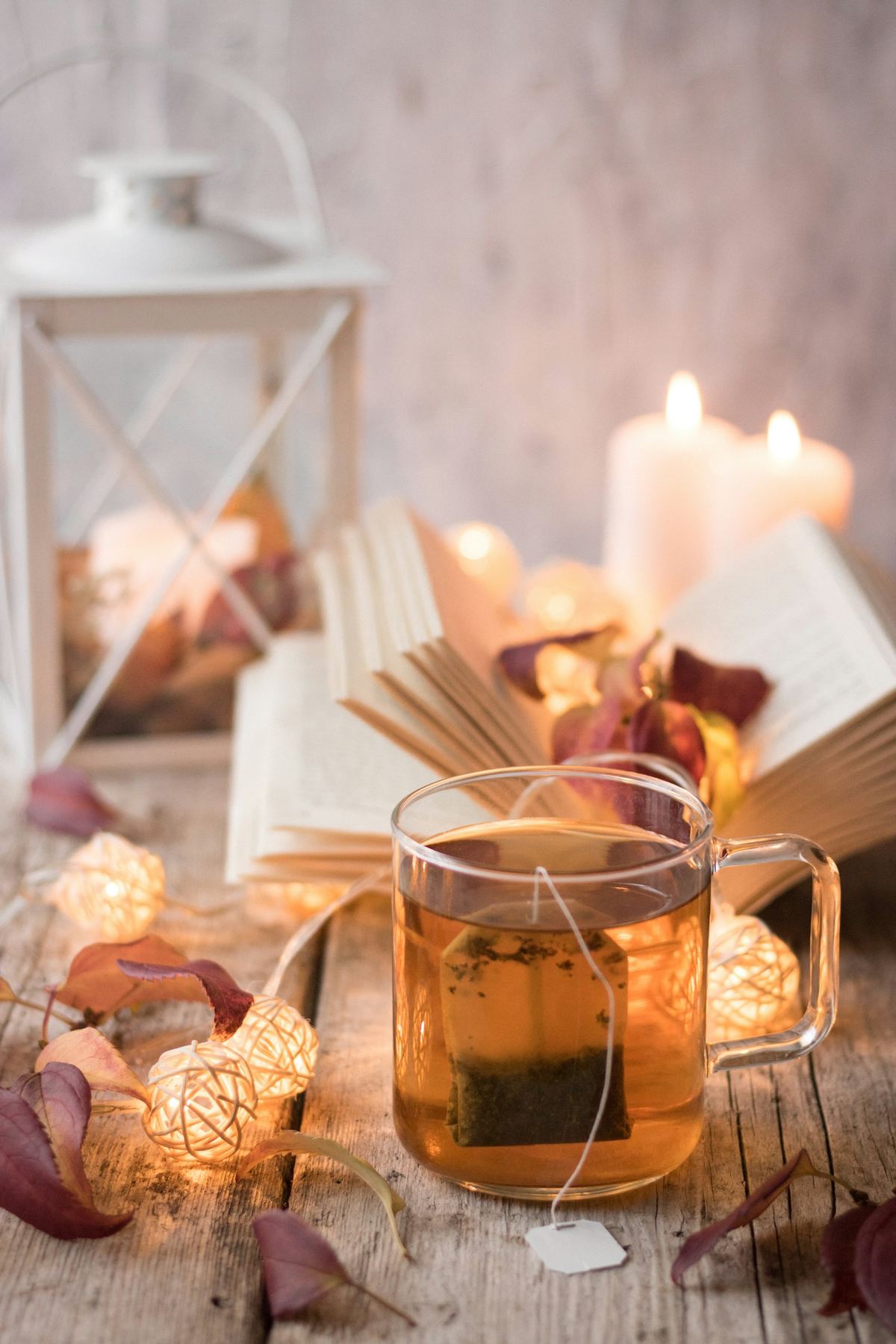
Warming the pot is non-negotiable in our house. My grandad would have had words with anyone who skipped it.
Your grandad was quite right. It's a tiny step, but it makes a noticeable difference to the brew.
I'll confess I'm a teabag-in-the-mug person and I doubt I'll ever change. But the window seat bit has me eyeing up the deep sill in our spare room.
Lovely piece. In summer I swap my wool throws for an old cotton waffle blanket from a charity shop, which is just enough on a cool August evening.
That sounds ideal. Cotton waffle is so light and washes beautifully, and charity shops are wonderful hunting grounds for blankets.